

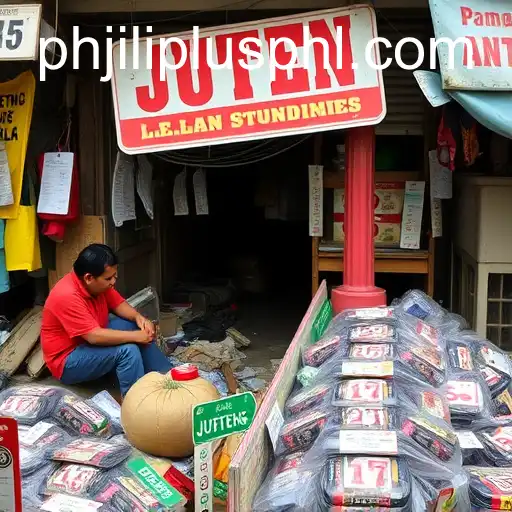
PHJILIPLUS | The Complex Landscape of Jueteng in the Philippines: An In-Depth Analysis
The Complex Landscape of Jueteng in the Philippines
Jueteng, an illegal numbers game deeply rooted in the cultural fabric of the Philippines, continues to thrive despite government efforts to eradicate it. This game of chance, appealing in its simplicity, has become a pervasive issue in the country, intertwining with local economies, governance, and even politics. The keyword 'PHJILIPLUS' may not immediately bring Jueteng to mind, but understanding the depth of this social phenomenon requires an insightful exploration into its historical entrenchment and persistent appeal.
The Historical Roots of Jueteng
Jueteng traces its origins to the Spanish colonial period, evolving over centuries into a nationwide pastime. Originally introduced by Chinese immigrants, the game quickly adapted to the local culture, merging traditional Filipino elements. By the early 20th century, Jueteng had permeated across the archipelago, embedded deeply in both rural and urban communities.
Functioning of the Jueteng Network
At its core, Jueteng relies on a simple betting mechanism: players choose a combination of numbers and place bets with local coordinators known as 'cobradors'. Each day, winning numbers are drawn, and successful bets are paid accordingly. This simplicity and the illusion of an egalitarian lottery system contribute to its widespread appeal. The network supporting Jueteng is complex and hierarchical, often involving corruption and shady dealings to ensure its survival and growth.
Socio-Economic Impact of Jueteng
Jueteng operates as a double-edged sword in Philippine society. On one hand, it provides economic benefits to those involved, from the cobradors to local coordinators, and even to unwitting participants who occasionally win substantial sums. For many, the daily thrill and potential financial windfall offer respite from poverty. However, this immediate gain often perpetuates cycles of poverty and dependency, diverting money away from essential needs towards gambling.
Jueteng and Poverty
The prevalence of Jueteng is especially notable in impoverished areas, where financial desperation fuels the desire to gamble on a better future. Here, Jueteng offers a paradoxical form of security and hope, serving as a social equalizer in regions where economic opportunities are scarce. Unfortunately, the allure of quick wins can exacerbate financial instability, further entrapping individuals in economic hardship. Thus, while Jueteng can redistribute wealth on a micro-level, it does little to address systemic poverty.
Jueteng's Political Entanglements
The political landscape surrounding Jueteng is fraught with complications. Over the years, it has been implicated in various corruption scandals involving politicians and local officials. Due to its profitability and widespread acceptance, some political figures have allegedly used Jueteng networks for vote-buying and maintaining power dynamics within communities. This has resulted in an uneasy coexistence between governance structures and illegal gambling.
Challenges in Law Enforcement
Efforts to curtail Jueteng face several hurdles, chiefly due to its deep integration into society and the implied collusion with law enforcement and political entities. Anti-gambling laws exist, yet their enforcement is often sporadic and uneven, crippled by systemic corruption and resource constraints. For many in law enforcement, turning a blind eye to Jueteng operations often seems easier than attempting to dismantle such entrenched networks.
Potential Strategies for Addressing Jueteng
Solving the issue of Jueteng entails multifaceted strategies that extend beyond mere prohibition. A realistic approach would involve addressing the socio-economic conditions that make Jueteng appealing, offering alternative livelihoods and genuine economic opportunities to those reliant on the gambling industry. In tandem with these efforts, transparent governance and stringent anti-corruption measures must be the bedrock upon which anti-Jueteng policies are constructed.
The Role of Civil Society
Civil society, including non-governmental organizations and community groups, can play a pivotal role in transforming the narrative around Jueteng. Through grassroots education programs and community engagement, efforts can be made to shift public perception, highlighting the long-term detriments of gambling dependency. Informed citizens are more likely to support systemic change and advocate for legal and sufficient economic reforms that diminish the appeal of Jueteng.
Conclusion
Jueteng remains a deeply embedded part of the Philippine socio-economic and cultural landscape. While efforts to eradicate it have been made, understanding its entrenchments and ramifications requires a comprehensive approach that addresses the root causes of its persistence. The journey towards dismantling the Jueteng system is long and challenging, demanding concerted efforts from governance, civil society, and the broader Filipino community to eradicate its presence and address the socio-economic inequalities that sustain it.


Google Sitemap